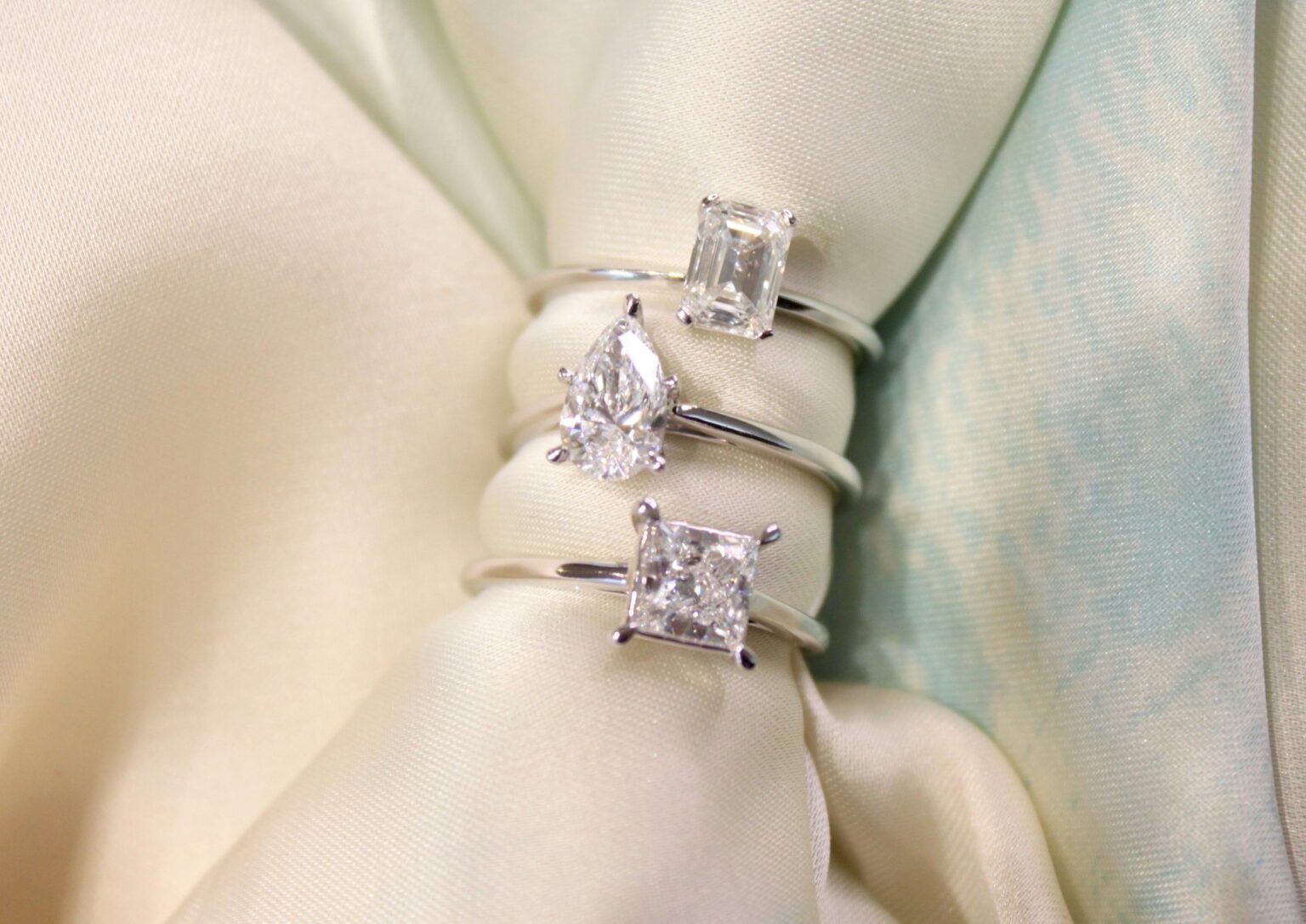
Shopping for an engagement ring is exciting, until you find yourself wondering whether a diamond grown in a lab can outshine one formed deep beneath the Earth. Lab-grown diamonds usually cost less, which can make them seem like the smarter buy. But does a lower price mean better quality? Both types have the same fundamental properties. However, their rarity and market value are different. With the right information, you can pick your perfect stone with confidence.
Are Lab-Grown Diamonds Higher Quality Than Natural Diamonds?
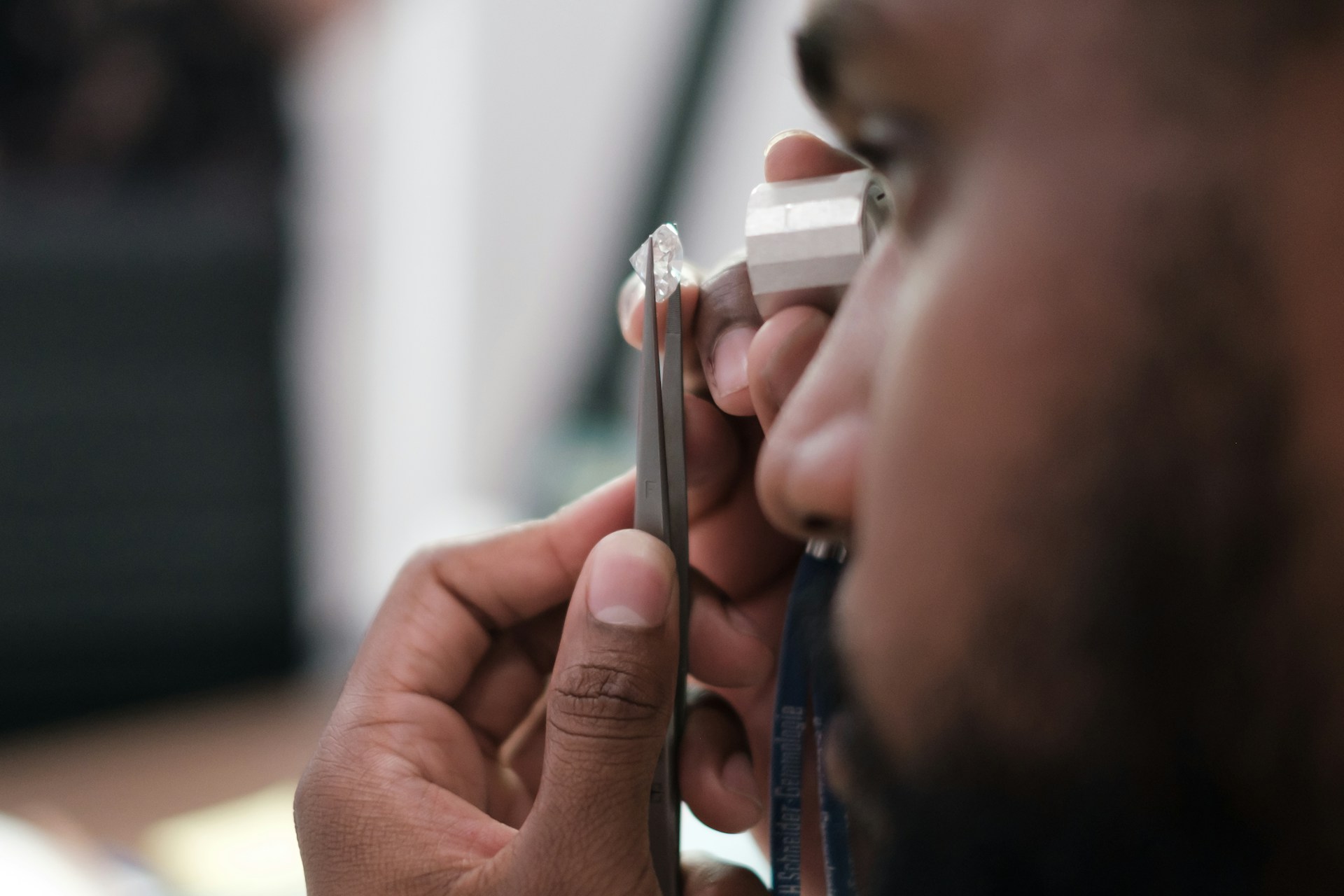
Neither lab-grown nor natural diamonds are inherently higher quality. The characteristics of each individual stone determine its quality, including the cut, color and clarity.
“[Lab-grown and] natural diamonds are made of pure carbon arranged in the same crystal lattice structure. This structure gives diamonds their defining properties, including exceptional hardness, brilliance, and fire,” the American fine jewelry company Brilliant Earth explains.
The company adds that lab-grown diamonds look and perform the same as natural diamonds and are graded by the same standards.
Natural diamonds form through geological processes almost 200 miles or more beneath the Earth’s surface over billions of years. Lab-grown diamonds are produced using controlled technological processes. Both are real diamonds, unlike simulants such as cubic zirconia and moissanite, which have different material properties.
How Are Natural and Lab-Grown Diamonds Graded?
Both diamonds are evaluated using four key factors known as the 4Cs. This framework grew out of an effort to make diamond buying less confusing. The founder of the Gemological Institute of America (GIA), Robert M. Shipley, introduced the term “the 4Cs of diamond quality” in the 1940s as a memory aid for his students. The system gave jewelers a clearer way to describe a diamond’s features, helping buyers understand what they were purchasing.
Each factor measures:
- Cut: How efficiently the diamond’s cut captures and reflects light.
- Color: How close the diamond is to colorless on the applicable grading scale.
- Clarity: The degree of internal and external imperfections.
- Carat: The diamond’s weight, which differs from its physical dimensions.
A grading report can help you verify these characteristics.
“Think of a GIA report as a diamond’s birth certificate and blueprint combined. Because the GIA is an independent third party with no financial stake in the sale of the diamond, their grading is unbiased and rigorous,” Lilliane’s Jewelry describes the grading purpose.
How Should You Compare the Quality Between Natural and Lab-Grown Diamonds?
To compare diamond quality fairly, look at each stone’s individual characteristics and grading report instead of relying on its origin. Specific areas can help you decide which diamond best meets your preferences.
Consider Rarity and Value
Rarity and long-term value are separate from visual quality.
The Diamond Collective, formerly known as The Natural Diamond Council, a global not-for-profit organization, notes, “The value of a diamond comes from its rarity as a finite, natural gem. This scarcity contributes to their lasting worth, with natural diamonds appreciating by an average of about 3% annually over the past 35 years.”
When you compare stones, separate beauty from market value. Both natural and lab-grown diamonds can look exceptional, but natural diamonds are finite geological materials, while lab-grown diamonds can be produced in controlled settings. Consider each diamond’s grading report, purchase price and potential resale value before deciding which option best fits your priorities.
Compare Cut Quality and Sparkle
“Cut refers to how well the diamond’s facets interact with light. If a diamond is cut poorly, it will look dull, even if it has perfect color and clarity,” notes Lilliane’s Jewelry.
It influences a diamond’s fire, scintillation and brilliance. These terms describe the white light, flashes of color and patterns of light you see as the stone moves.
Since proportions, facet arrangement and finish all affect the result, a diamond’s origin alone cannot tell you how well it will sparkle. It’s best to compare cut grades and examine the diamonds under similar lighting to assess their visual performance.
Check Color and Carat Weight
Color and carat weight give you two more ways to compare individual diamonds.
“For colorless diamonds, the less color, the greater the value,” explains The Red House.
You can find high color grades in both natural and lab-grown diamonds, so check each stone individually.
Carat measures weight. The Red House notes, “The carat is the unit used to measure a diamond’s weight. One carat is equivalent to 0.2 grams. Although weight and size are related, the cut affects how large a stone appears — a shallow or deep cut may alter perception without changing the actual carat weight.”
The cut, shape and depth of a diamond can determine how big a carat appears. Compare each diamond’s measurements with its carat weight to judge how large it may look in your engagement ring.
Review Each Diamond’s Grading Report
A grading report lets you check a diamond’s assessed characteristics, including fluorescence under ultraviolet lighting, and confirm that the stone matches its documentation.
According to The Diamond Collective. “fluorescence isn’t one of the 4Cs, but you’ll still find it on a diamond grading report. It’s graded by intensity, from none and faint to medium, strong and very strong, along with the color of the fluorescence, which is almost always blue.”
Before you buy, check the report number, 4Cs, measurements and any notes about treatments or identifying features. Use this information to compare your options, keeping in mind that a report does not guarantee a particular resale price or prove that one diamond type is inherently better.
How Do Origin, Rarity and Long-Term Value Compare?
Since it takes natural diamonds billions of years to form, they’re considered a finite geological resource, with rarity serving as a separate factor from cut, clarity and color.
The Diamond Collective notes that this origin connects them to different stories.
“Unlike lab-grown diamonds, which are mass-produced in controlled environments, natural diamonds are intricately connected to the places where they are recovered,” the organization says.
Due to their rarity, the prices of the two diamonds can vary widely. Lab-grown diamonds generally cost less at retail, and their prices can change as production methods and supply evolve.
Buchroeders reports, “As of 2026, lab-grown stones are roughly 85 to 90% less expensive per carat than comparable natural diamonds.”
Keep in mind that resale prices for both types can fall below their original retail prices, so neither guarantees a particular financial return.
Frequently Asked Questions About Diamond Quality
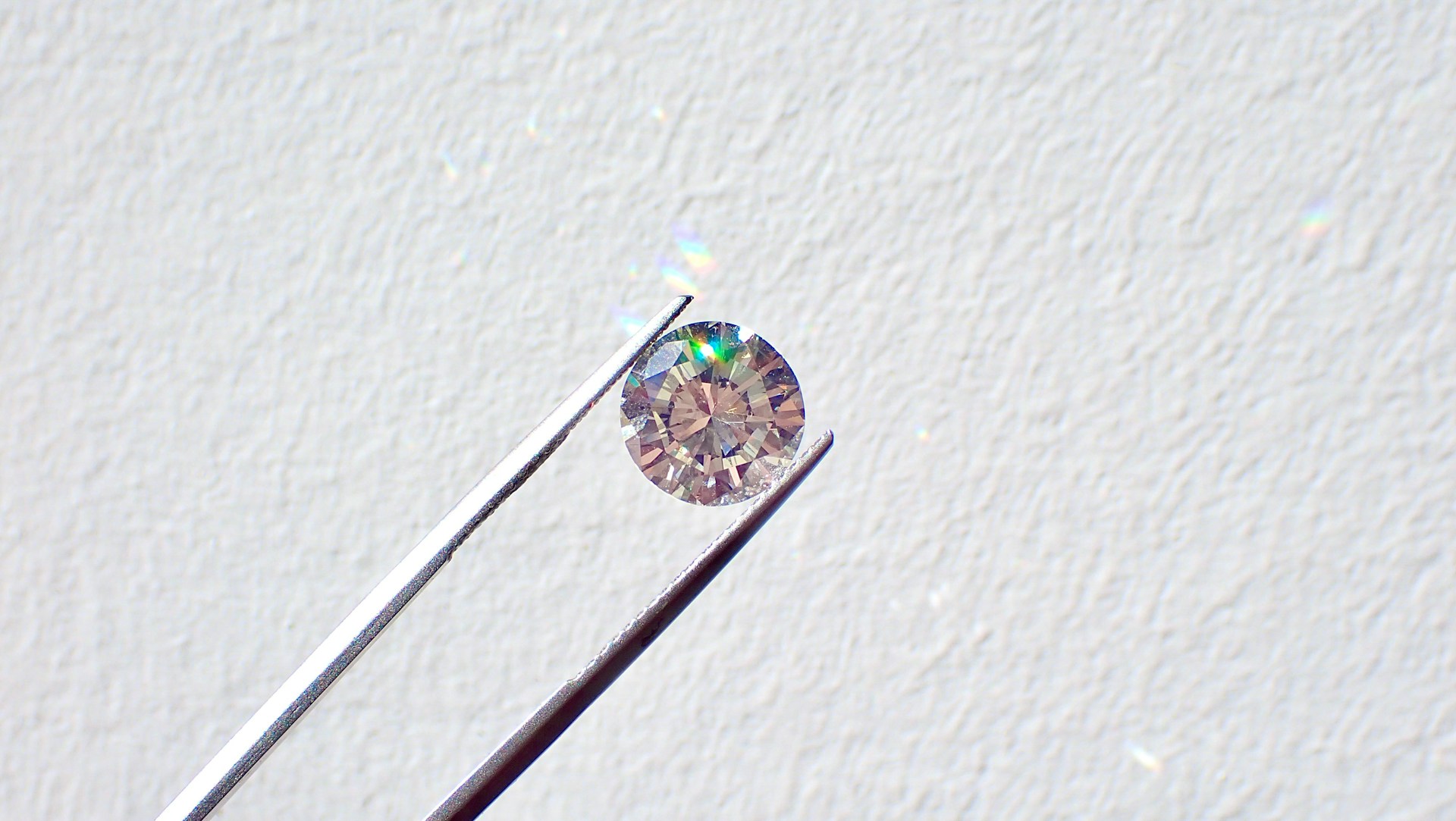
If you’re still curious about lab-grown and natural diamonds, these common questions can help clarify the main differences.
Do lab-grown and natural diamonds have the same quality grading standards?
Both types are assessed using the 4Cs, although grading reports and procedures can vary by laboratory.
Do lab-grown diamonds sparkle more than natural diamonds?
Neither type automatically sparkles more than the other. Cut quality, proportions, and the way an individual stone interacts with light have a greater influence on its brilliance.
Do natural diamonds have better long-term value than lab-grown diamonds?
Natural diamonds are generally rarer, but rarity alone does not guarantee resale value. Prices for both types can change, so consider the purchase price and potential resale.
Make Your Engagement Ring Choice a Cut Above
Lab-grown diamonds are not inherently higher quality than natural diamonds. The quality of each stone depends on its characteristics, including cut, color and clarity. Compare the 4Cs, review grading reports and consider rarity and resale value separately from appearance. With these factors in mind, you can choose an engagement ring based on the qualities that matter most to you.
Continue to next story