By: India Bottomley
Destination weddings used to start and end at the venue. A beautiful château, a clifftop villa, a lakeside estate. The location was everything, and everything happened within its walls. But this generation of couples is challenging that preconceived idea for the better. Venue-centric celebrations are swiftly turning into destination-centric experiences, and guests are reaping the benefits.
Logistics are great, experience is better
If you’re hoping your guests will fly thousands of miles to celebrate the beginning of your next chapter, offering them great logistics should be the bare minimum. What turns a destination wedding from a nice trip into a life-long memory lies much deeper than good food and great wine: your guests need to feel immersed in your world.
So what does that immersion look like? It depends on you. The place to start is your why. What drew you to celebrating your wedding in that specific location? It could be that you simply fell in love with the venue itself, or perhaps you had family ties with the area. Maybe you always holidayed there when you were growing up, or did your year abroad in the local town. Whatever drew you to your destination is what you will want to start building your guests’ experience around.
If you chose a hotel on the French Riviera because you spent every childhood summer running around the grounds with your siblings, think about what comes to mind when you reminisce about those moments. Often there’s a taste, a scent, a moment that surfaces: the thing that makes you think, ‘this is what I want to share with the people I care about most.’ One couple I worked with used to go to a specific ice cream parlour on the harbour along the coast from their wedding venue, so we brought them in to serve her favourite flavours for guests at the welcome event. That is the start of an authentic guest experience.
Hospitality at the heart of design
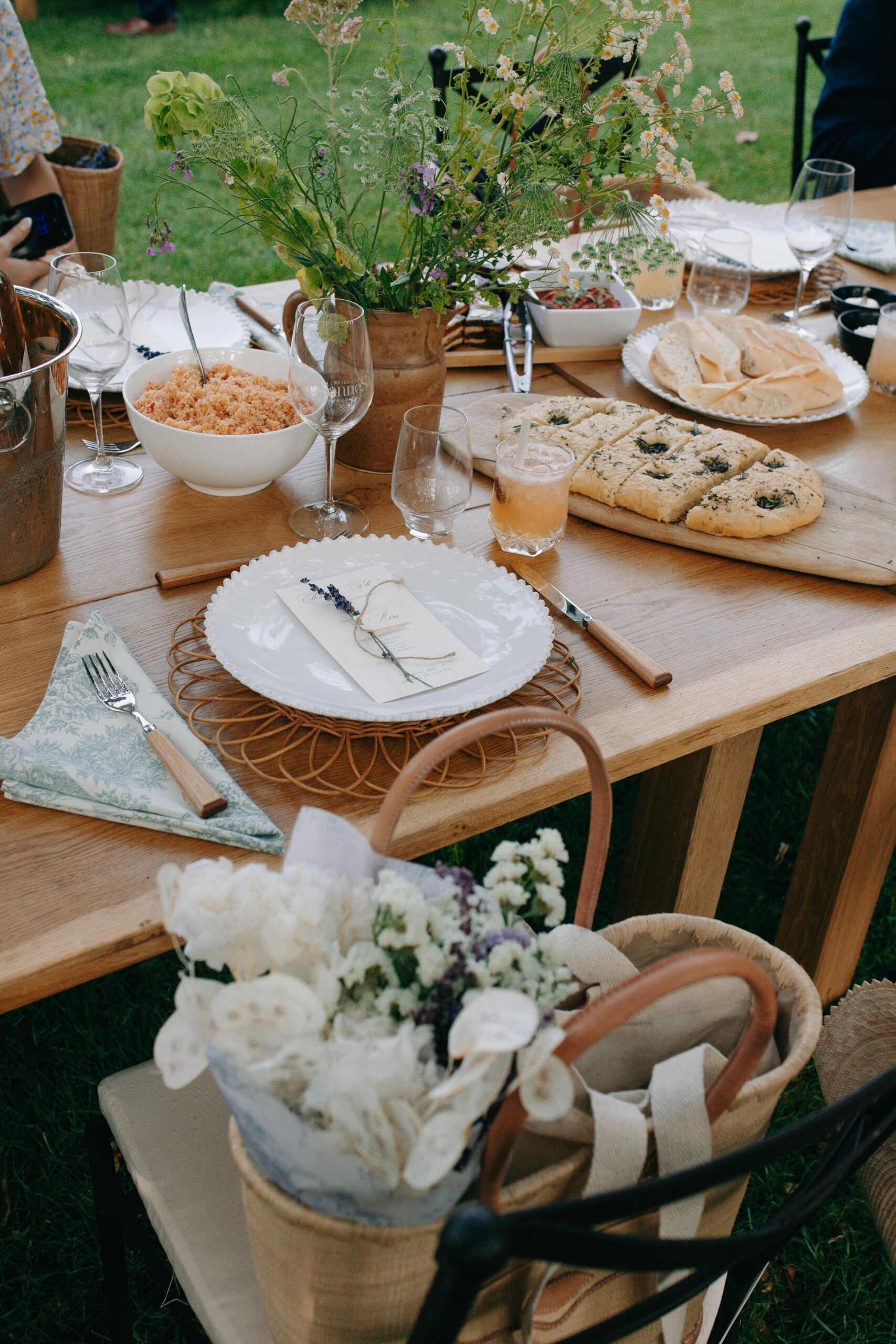
Once you know what makes the event feel like yours, it’s time to look at how you infuse every detail with great hospitality. This is where good planning and great hospitality need to coexist: good planning means everything runs smoothly. Great hospitality means your guests feel something.
The difference is in the intention. Consider the welcome drink. You could offer guests a glass of champagne on arrival and that would be perfectly fine. Or you could present a chilled glass on an antique French silver tray, carried by a gloved waiter who meets them at the car door before they have even seen the venue. The drink is the same. The experience is completely different. That same thinking applies to every touchpoint across the weekend: the welcome package, the dinner menu, the way information is shared with guests, the pacing of each day. When every detail carries that level of thought behind it, your guests stop noticing the individual elements and simply feel looked after. They feel like someone thought about them, not just about the day.
That is the difference between a destination wedding that was well planned in 2016 and one that was well hosted in 2026.
What do these new generation weddings actually look like?
Often, the experience will start long before your guests arrive at your venue with the very first design choice you’ll make: your invitations. Your invitations are a key moment to share your destination with your guests, not just in name but in feel. For couples drawn to a French farmhouse aesthetic, that might mean commissioning a custom toile de jouy pattern that weaves their love story into the setting, so the destination is something guests can feel in their hands before they ever set foot there.
From there, the communication leading up to the wedding should build anticipation, not just relay information. An activity menu curated by the couple is a beautiful way to do this: a personal selection of their favourite local experiences for guests to choose from during their stay, everything from paragliding to access to the couple’s favourite spa. For some couples, it goes even further. We’ve built five-day itineraries centred on Michelin-star gastronomy and vineyard tours, and planned Seine river cruises for guests before they head south to Provence for the celebration itself. This is where destination weddings start to cross into travel curation: the best wedding weekends don’t keep guests on-site for three days. They give them a reason to explore, and make it effortless to do so.
The guest experience becomes physical the moment they land. Private airport transfers coordinated around each guest’s arrival take the stress out of navigating a new country, particularly for those who haven’t travelled internationally before or for guests with accessibility requirements. The weekend starts the moment they are met at arrivals, not when they walk through the venue gates.
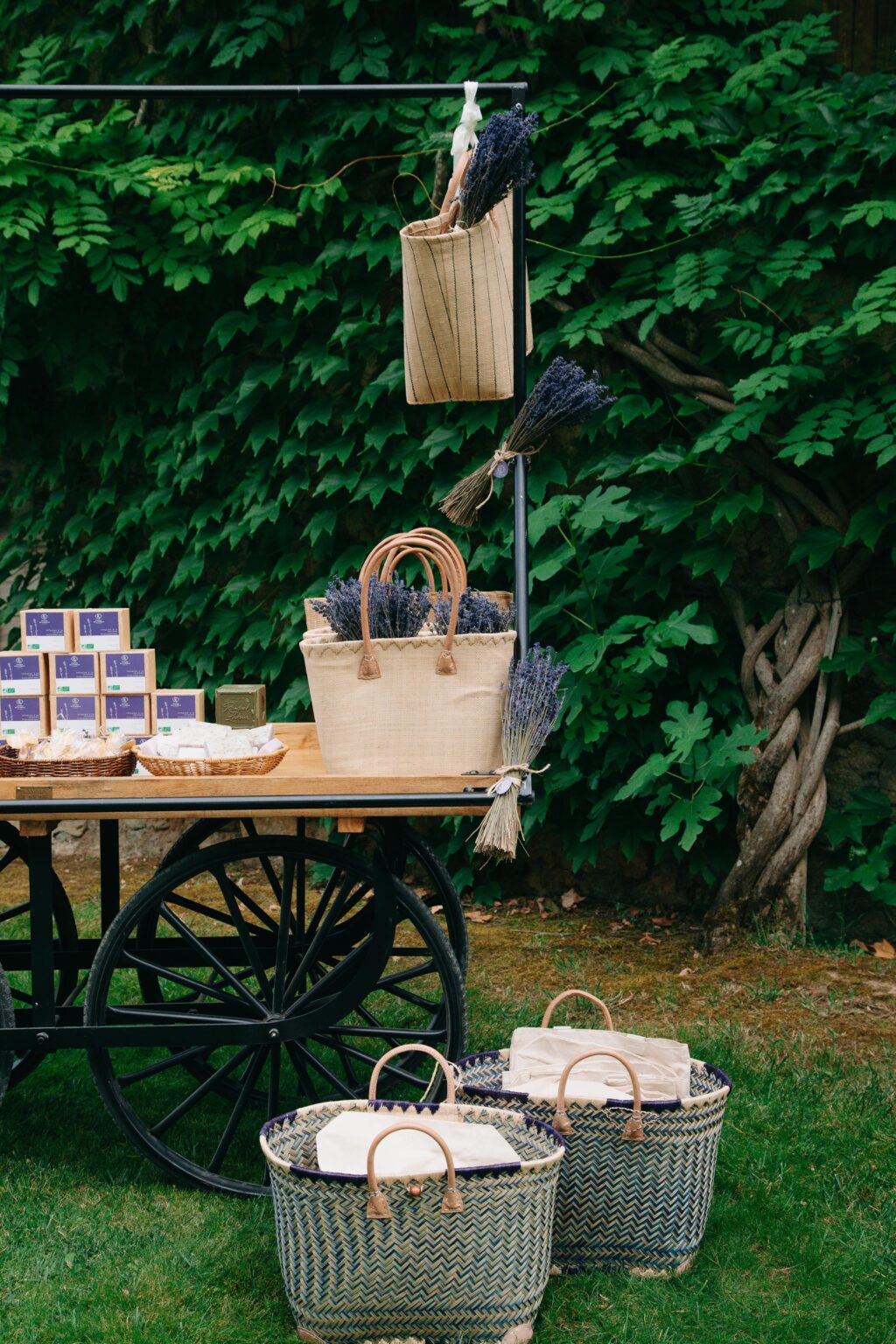
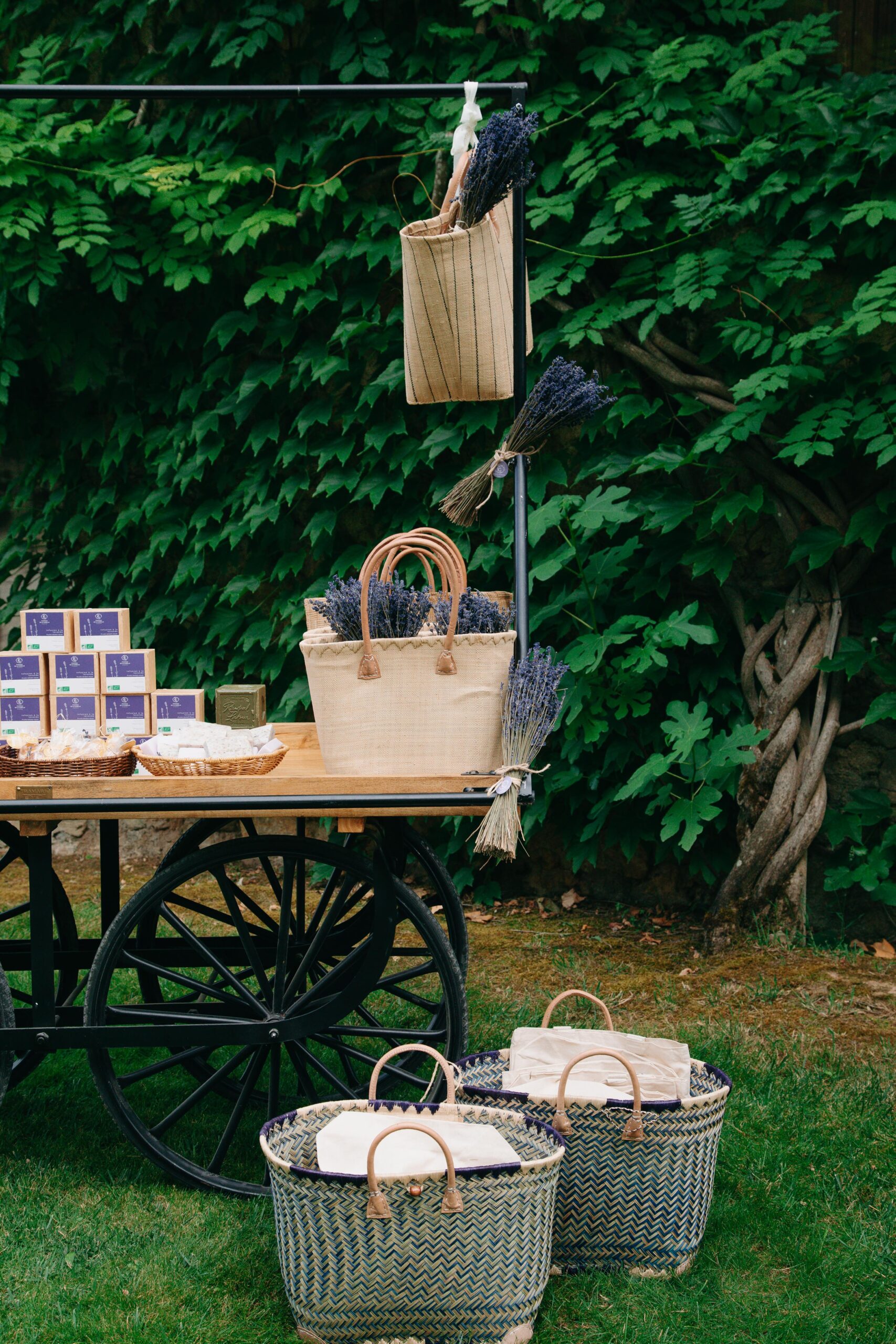
Then comes the wedding day itself, and pacing matters as much as programming. A later ceremony start time leaves space for guests to relax into the place, and what that looks like is completely different for every couple. It could be arranging shuttles to the local Provençal market and watching guests come back giddy with baskets full of local produce and artisan trinkets. It could be the groom heading out on a scenic run through the vineyards with his groomsmen. Or it could simply be a long, relaxed lunch where everyone gets to know each other outside of the formalities.
The final morning should feel considered, not rushed. A rolling brunch from late morning through the early afternoon gives guests who have time the space to linger, and those with flights to catch the freedom to leave without guilt. For guests with early departures, a grab bag breakfast ready for them to take on the go is a small detail that communicates something important: we thought about you, even on the way out.
And then there is the after. The best destination weddings do not just end when the last guest leaves. One couple sourced postcards from their honeymoon destination, handwrote each one, and posted them to their guests from the trip itself. Weeks later, guests opened their mailboxes to find a handwritten note postmarked from the other side of the world. A small gesture, but the kind that keeps a wedding alive in people’s memories long after the weekend is over.
What should you be asking planners when interviewing them?
If you are looking for a destination wedding planner who thinks this way, the questions you ask in your first conversation will tell you a lot.
Ask them how they get to know a destination. Not every planner will be based where your wedding is, and that does not need to be a problem. What matters is whether they are willing to go there ahead of your wedding, walk the streets, eat at the restaurants, meet the vendors in person, and immerse themselves in the place on your behalf. A planner who builds your guest experience from a laptop is working very differently from one who has tasted the wine they are recommending.
Ask them what happens beyond the wedding day. If their answer focuses entirely on the ceremony and reception, they are thinking about events, not experiences. The right planner will talk about the whole journey: what guests receive before they travel, how they are looked after when they arrive, and how the weekend is paced so people can actually enjoy where they are.
Ask them how they think about hospitality. This is the question that separates the old generation from the new. A logistics-focused planner will talk about timelines, floor plans, and vendor management. A hospitality-focused planner will talk about how your guests will feel. Both matter. But if you want a destination wedding that stays with people long after they fly home, the second is what makes the difference.
Destination weddings have always been about celebrating in a place you love. What has changed is how deeply that place can be woven into every moment your guests experience. From the first invitation they hold in their hands to a postcard that arrives weeks later from the other side of the world, the new generation of destination weddings is not about doing more. It is about being more intentional with every detail. The best destination weddings do not feel planned, they feel hosted.
About the author
India Bottomley is Co-Founder and Creative Director of Best Events Co., a luxury destination wedding planning company based in France. Since 2009, the company has designed over 200 celebrations across France, Italy, and Switzerland for couples who want their wedding to feel less like an event and more like an experience. She is also the founder of The Studio by Best Events Co., a platform reimagining how couples plan their weddings.
Continue to next story